








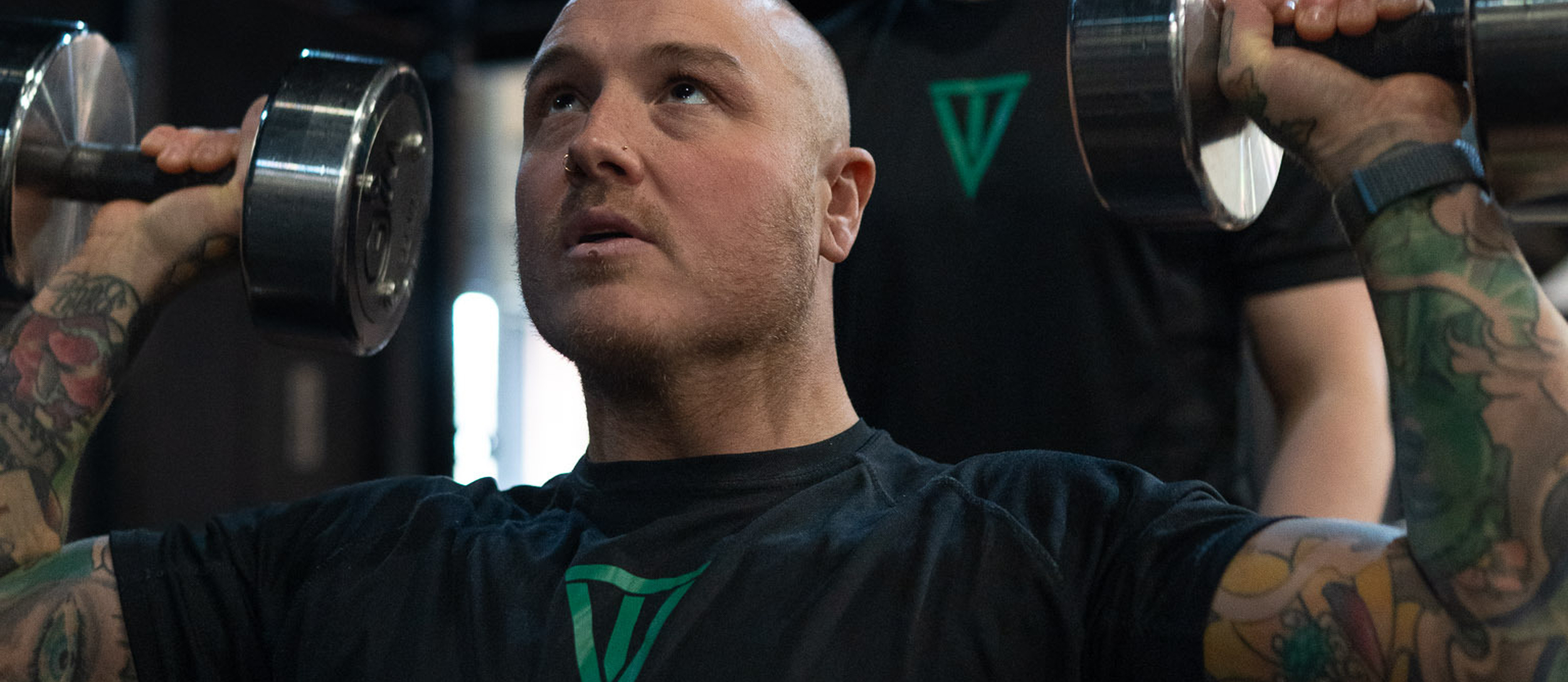
When people think about getting results in the gym, the default mindset is usually the same: work harder.
Lift more weight, do more reps, and leave every session feeling completely exhausted.
In reality, training intensity is not about going all out every time you step into the gym. It is about applying the right level of stress at the right time, based on the person in front of you. When that balance is wrong, you either see no progress at all or you end up burnt out, missing sessions, and losing motivation.
This is where most people, and a lot of coaches, go wrong.
Most Clients Don’t Fail Because They’re Not Working Hard Enough
It is easy to assume that if someone is not getting results, they simply need to try harder. In practice, that is rarely the issue.
What we see far more often is poor management of intensity.
Some clients train well below what they are capable of. The sessions feel comfortable, nothing is really being challenged, and over time they plateau. They show up, they complete the workout, but physically nothing changes.
On the other end, some clients are pushed too hard too early. Every session feels like a maximum effort. They are constantly sore, fatigued, and eventually start skipping sessions because they cannot recover properly.
Both approaches lead to the same outcome. The client stops.
Not because they lack discipline, but because the training was not appropriate for them.
Intensity Is More Than Just “Working Hard”
One of the biggest misunderstandings in fitness is reducing intensity down to effort alone. It is much broader than that.
Intensity is influenced by a number of factors. The weight being lifted, the total amount of work completed, how close someone is training to failure, how long they are resting, and even the type of exercises being used all play a role.
A heavy set of squats places a completely different demand on the body compared to a machine-based movement. Short rest periods can turn a moderate session into something far more demanding from a cardiovascular perspective.
All of these elements contribute to the overall intensity of a session. It is not just about telling someone to push harder. It is about understanding how these variables interact and how they affect the individual.
That is why good programming is deliberate, not random.
The Real Skill Is Knowing When to Push and When to Hold Back
This is where coaching becomes a skill rather than simply delivering a workout.
Anyone can write a tough session or make someone feel tired. That is not difficult. What is more valuable is knowing when that level of intensity is actually appropriate.
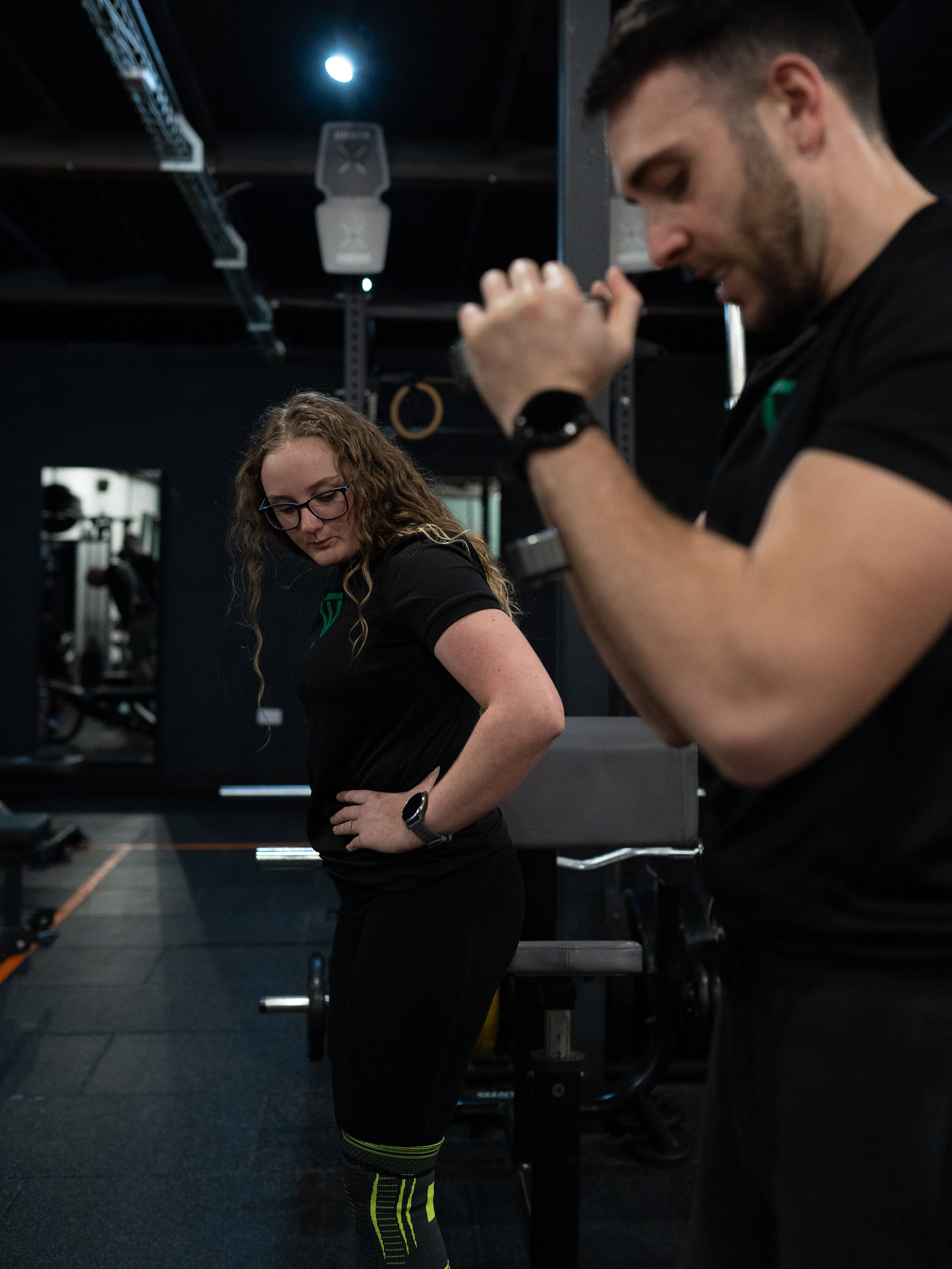
A good coach is constantly making small decisions throughout a session. They observe how the client is moving, how they are responding, and adjust accordingly.
Sometimes that means pushing them further because they are capable of more. Other times it means pulling things back because fatigue is building or technique is starting to break down.
It may involve progressing an exercise, increasing load, or adding volume. Equally, it might involve simplifying a movement, reducing intensity, or allowing more recovery.
Those decisions are what turn a generic workout into something that actually delivers results.
Most People Don’t Need to Train at 100%
There is a common belief that training needs to feel extreme to be effective. For the general population, that is simply not true.
Most clients do not need to train at their absolute limit to see progress. What they need is consistency, and consistency comes from sessions that are challenging but manageable.
If every session leaves someone completely exhausted, it becomes difficult to maintain over time. Life, work, and stress all play a role in recovery, and when that is not considered, motivation quickly drops.
When intensity is managed properly, clients can train regularly, recover well, and build momentum over time. That is where real progress happens.
It is not about one perfect session. It is about showing up consistently and improving gradually.
Consistency Always Beats Destruction
There is a culture within the fitness industry that celebrates being completely wiped out after a workout. If you are not exhausted, it can feel like the session was not effective.
This mindset does not hold up long term.
Training should be hard enough to create a stimulus, but not so hard that it negatively impacts the next session. Results are built through consistent training over time, not from occasional extreme efforts.
If someone can train three times a week, every week, and gradually progress, they will achieve far more than someone who trains at maximum intensity for a short period and then drops off.
A Simple Example
Consider two clients.
The first trains to failure in every session. They use high volume, short rest periods, and constantly push to their limit. After a few weeks, they are exhausted. Sessions begin to get missed, motivation declines, and progress stalls.
The second trains slightly below that limit. They leave a couple of repetitions in reserve, manage volume appropriately, and focus on steady progression.
After twelve weeks, they are still training consistently. Their strength has improved, movement quality is better, and results are visible.
The difference is not effort. It is how that effort was managed.
Why This Matters More Than You Think
If you are coaching, this is one of the key factors that will determine your effectiveness.
Anyone can make a session feel difficult. Not everyone can make a session productive.
When you understand how to manage intensity properly, you are able to keep clients progressing, reduce drop-off, build trust, and deliver a better overall experience.
That is what separates someone who simply delivers workouts from someone who actually coaches.
The Step Up from Fitness Instructor to Personal Trainer
At a basic level, a fitness instructor can take someone through a session.
A personal trainer understands why that session is structured in a certain way and how to adapt it to the individual.
They know how to progress a client over time, how to manage fatigue, and how to adjust intensity to keep results moving forward.
That is where real value lies.
Training intensity is not about extremes. It is about control.
Too little, and nothing happens. Too much, and progress breaks down. The goal is finding the balance where progress is both effective and sustainable.
Want to Learn How to Coach with Purpose?
At Vector Training, we focus on more than just delivering sessions. We teach you how to think like a coach, manage intensity properly, and structure programmes that get real results.
If you are serious about becoming a Personal Trainer and doing this properly, check out our Level 3 Diploma in Gym Instructing and Personal Training page and get in touch.