


Assisted stretching is often misunderstood.
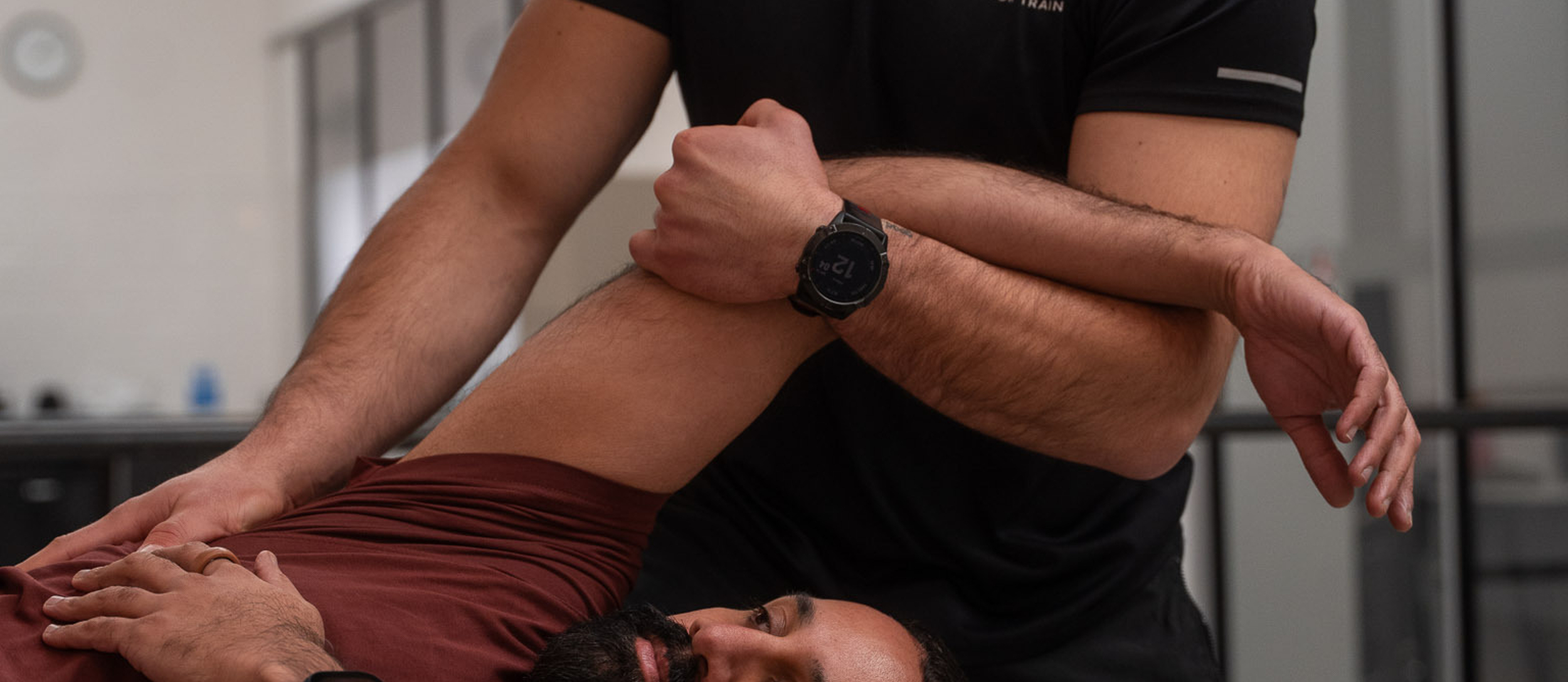
From the outside, it can look simple. A trainer or therapist moving a client into a stretch, holding it, then moving on. But in reality, effective assisted stretching is far more than that.
It is not about pulling limbs into positions or forcing range of motion. It is about precision, control, and understanding how the body responds to applied pressure and movement.
When done properly, assisted stretching becomes a powerful tool for improving mobility, reducing tension, and enhancing overall movement quality. When done poorly, it becomes ineffective at best and potentially harmful at worst.
The difference comes down to knowledge and application.
What Is Assisted Stretching?
Assisted stretching is a form of flexibility and mobility work where a practitioner helps guide a client through specific stretches.
Unlike traditional static stretching, where the individual controls the movement themselves, assisted stretching allows for:
Greater control over positioning
More targeted application of pressure
Improved relaxation within the stretch
Because the practitioner is guiding the movement, the client can focus on breathing and relaxing rather than trying to hold the position themselves.
This often allows for a deeper and more effective stretch, but only when applied correctly.
It’s Not About Pulling Limbs
One of the biggest misconceptions around assisted stretching is that it involves simply pulling a client further into a stretch.
This is where many people go wrong.
Effective assisted stretching is not about forcing range. It is about creating the right conditions for the body to allow more range.
That comes down to three key elements.
1. Where You Apply Pressure
The point of contact matters.
Applying pressure in the wrong place can create discomfort or resistance. Applying it in the right place can help the client relax into the stretch and improve the outcome.
This is where anatomical understanding becomes important. You need to know which structures you are influencing and how the body is likely to respond.
2. How You Stabilise the Client
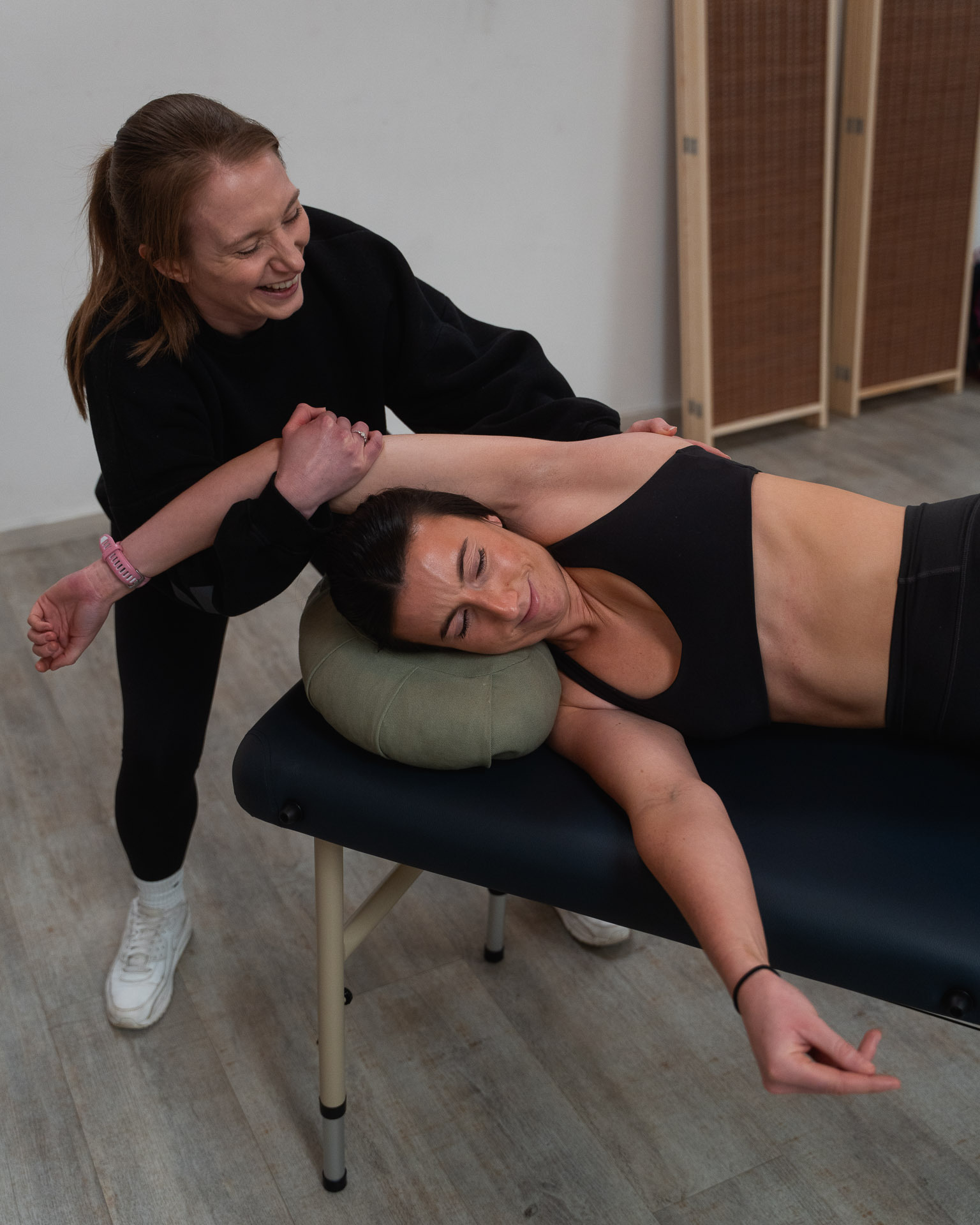
Stabilisation is often overlooked, but it is one of the most important parts of assisted stretching.
If the client is not stabilised properly, the body will compensate. Instead of isolating the target muscle or movement, other areas will take over.
This reduces the effectiveness of the stretch and can lead to poor movement patterns being reinforced.
Good stabilisation allows you to control exactly what you are trying to stretch.
3. When to Ease Off
More is not always better.
Pushing a client too far into a stretch can trigger protective responses in the body. Muscles may tighten, breathing may change, and the client may become guarded.
Knowing when to ease off, adjust, or hold position is what makes the stretch both effective and safe.
This is where experience and coaching awareness come into play.
The Benefits of Assisted Stretching for Clients
When assisted stretching is applied properly, it offers a range of benefits that go beyond simple flexibility.
Improved Mobility and Range of Motion
By guiding the client through controlled movements and positions, assisted stretching can help improve joint range of motion over time.
This can lead to better movement quality in both training and everyday activities.
Reduced Muscle Tension
Many clients carry tension in areas such as the hips, lower back, shoulders, and neck.
Assisted stretching can help reduce this tension by encouraging the muscles to relax while being guided into lengthened positions.
This can leave clients feeling looser and more comfortable after a session.
Better Movement Awareness
Because the practitioner is guiding the movement, clients become more aware of how their body moves.
They can feel where they are tight, where they compensate, and where they lack control.
This awareness can then carry over into their training.
Enhanced Recovery
Assisted stretching can be a useful addition to recovery sessions.
By reducing tension and improving circulation, it can help clients feel more prepared for their next training session.
A More Personalised Experience
Assisted stretching is highly adaptable.
Sessions can be tailored to the individual based on their needs, whether that is improving flexibility, addressing tight areas, or supporting recovery.
This makes it a valuable service for both general population clients and more active individuals.
Why Precision Matters
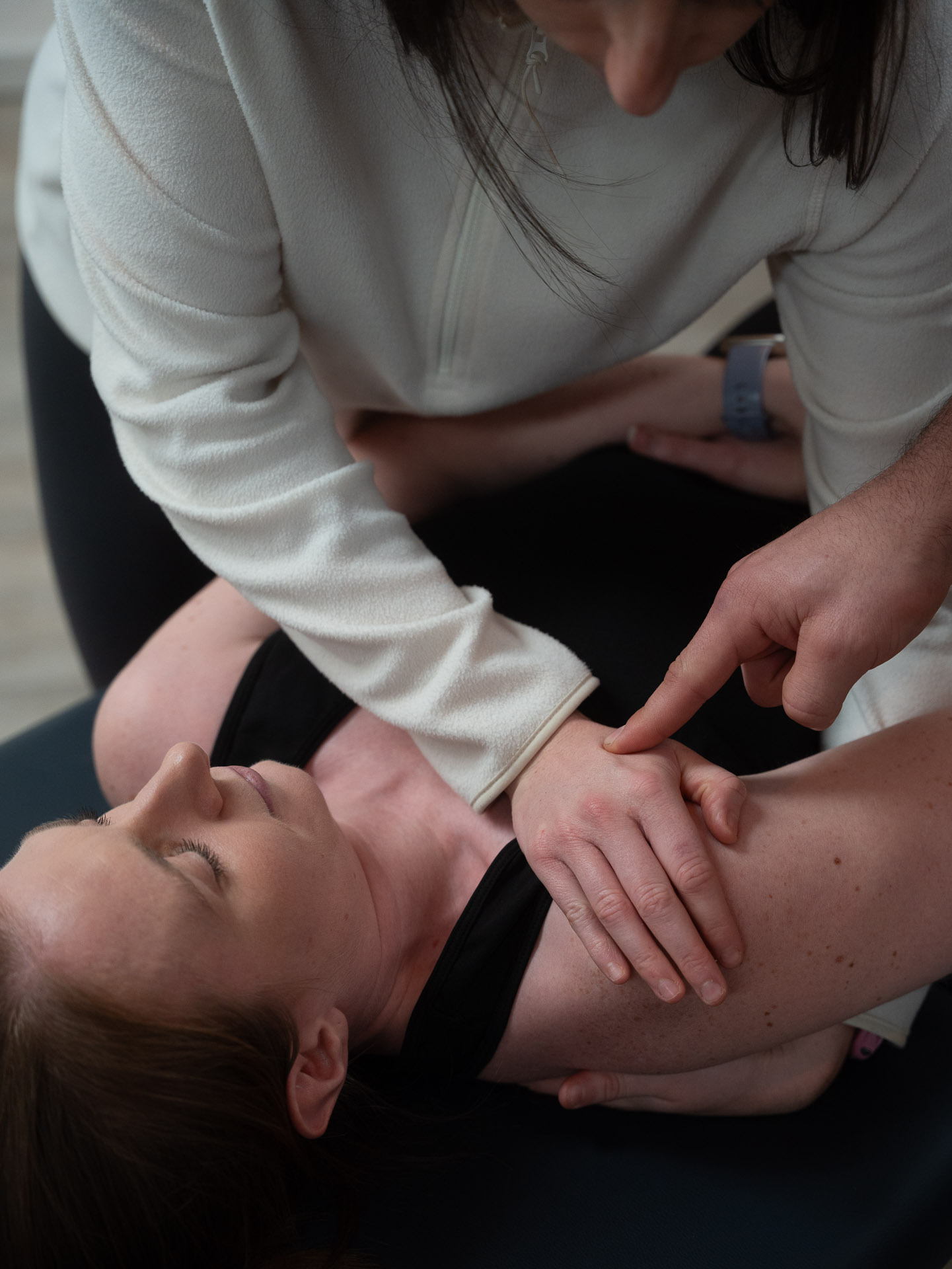
The benefits of assisted stretching only come when it is applied correctly.
Without an understanding of positioning, pressure, and timing, it becomes guesswork.
This is where the difference lies between simply stretching someone and applying it in a more clinical, structured way.
Precision is what makes the stretch:
More effective
More comfortable for the client
More targeted to their needs
It also reduces the risk of overstretching or causing unnecessary discomfort.
Assisted Stretching as a Coaching Skill
For personal trainers and therapists, assisted stretching is more than just an add-on. It is a skill that can enhance the overall service you provide.
It allows you to:
Support clients who struggle with mobility
Improve movement quality within sessions
Add value beyond traditional training
Offer an additional service or revenue stream
More importantly, it positions you as someone who understands the body beyond just exercise.
The Shift Towards More Hands-On Coaching
There is a growing demand for more personalised, hands-on services within the fitness and wellness industry.
Clients are looking for:
Better movement
Less discomfort
More tailored support
Assisted stretching fits directly into this.
When delivered properly, it bridges the gap between fitness and therapy, offering something that many clients are actively seeking.
Assisted stretching is often underestimated.
It is not about pulling limbs or forcing positions. It is about understanding how to apply pressure, how to stabilise the body, and how to work with the client rather than against them.
When done properly, it becomes a highly effective tool for improving mobility, reducing tension, and enhancing overall movement.
The difference is in the detail.
Coming Soon: Assisted Stretching Courses in Manchester and Dubai
We launched our first Assisted Stretching for Professionals in Manchester in 2026 and we will soon be announcing our first REPs UAE approved Assisted Stretching for Professionals course in Dubai.
If you want to learn how to apply assisted stretching properly, with precision and purpose, keep an eye out for the announcement.
This is about moving beyond basic stretching and developing a skill that genuinely adds value to your clients.
Manchester courses: CIMSPA Assisted Stretching for Professionals
Dubai courses: UAE Assisted Stretching for Professionals